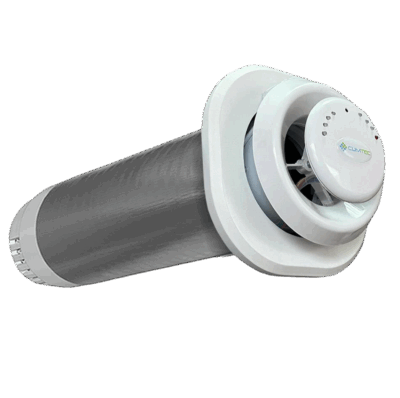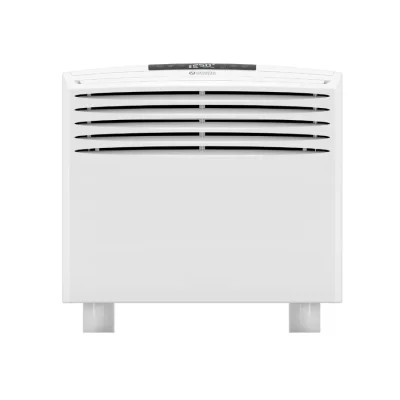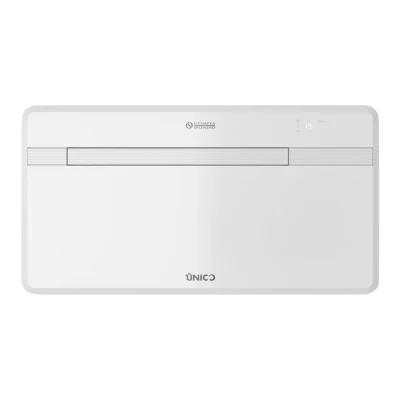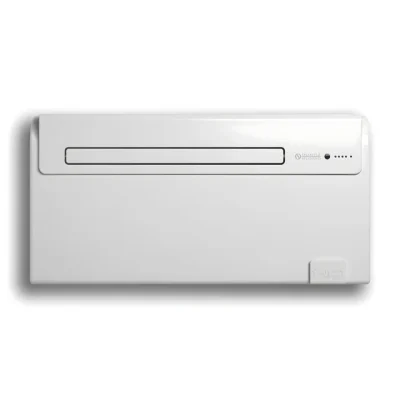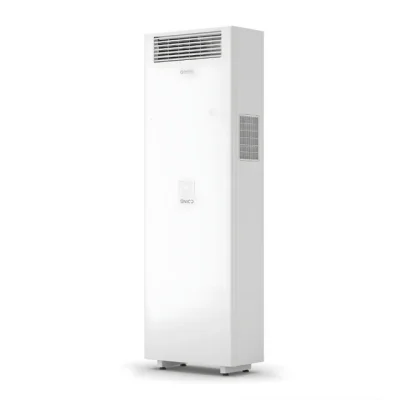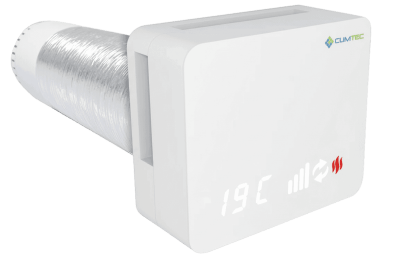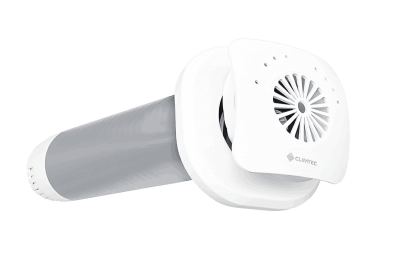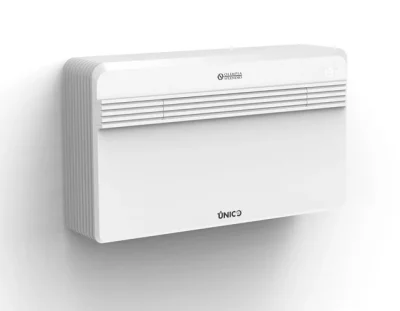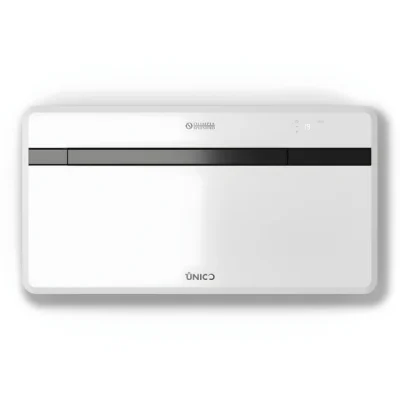
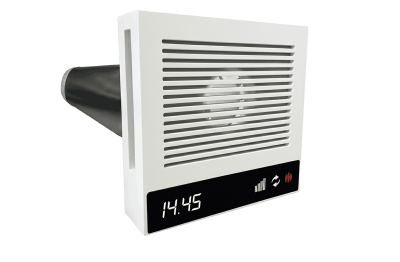
In everyday homes, ventilation problems rarely feel technical. They feel inconvenient. You notice them when mirrors stay fogged long after a shower, when laundry dries slower than it should, when bedrooms feel heavy in the morning, or when heating seems to run constantly without delivering real comfort. A heat recovery ventilator enters this picture not as a “system”, but as a practical correction to how air behaves inside modern buildings. Instead of flushing warm air outside and pulling cold air back in, a heat recovery ventilation system allows the house to refresh itself without undoing the work of insulation and heating. Some people discover this solution as MVHR, others hear it described as an HRV system or mechanical ventilation heat recovery, but the motivation behind every installation is the same — make indoor air predictable without wasting energy. A well-chosen heat recovery ventilation unit does not announce itself. It simply changes how the house feels, day after day, in a way that becomes noticeable only when it is missing.
Homes that rely on window opening and basic extract fans tend to behave differently depending on the weather, the season, and the habits of the people living inside them. One day the house feels fresh but cold, the next it feels warm but stale. A heat recovery ventilation system removes this variability by taking control away from chance. A mechanical ventilation system with heat recovery introduces consistency, not by reacting to problems, but by preventing them from forming in the first place. The heat recovery unit works quietly in the background, maintaining airflow at a steady pace that suits the building rather than the outside temperature. This approach to heat recovery and ventilation feels less like “equipment” and more like balance, where air movement supports comfort instead of disrupting it.
Mechanical heat recovery becomes especially relevant once a property has been upgraded with insulation, sealed windows, or draught-proofing. As soon as uncontrolled air leaks are reduced, stale air stops escaping on its own. A mechanical heat recovery system steps in to manage this exchange deliberately. Mechanical ventilation and heat recovery work together to stabilise indoor conditions, helping to control moisture, reduce uneven temperatures, and limit unnecessary heat loss. Mechanical heat ventilation recovery systems are therefore not about adding complexity, but about restoring equilibrium inside buildings that are no longer designed to “leak”.
In residential settings, a heat recovery system for house installations is usually planned as a whole house heat recovery system rather than a collection of individual fans. A properly designed house heat recovery system supplies fresh air to living and sleeping areas while quietly removing stale air from moisture-prone zones. Over time, a residential heat recovery system supports lower heating demand, fewer condensation-related issues, and a more stable indoor environment that does not depend on constant user intervention.
An MVHR system is often chosen by homeowners who want ventilation to disappear into the background of daily life. An MVHR ventilation system does not switch on loudly or flood rooms with cold air. Instead, it maintains a steady rhythm, moving air gently enough that it goes largely unnoticed. Mechanical ventilation with heat recovery MVHR solutions suit homes where windows are kept closed for security, noise reduction, or thermal comfort. Rather than ventilating in bursts, an MVHR heat recovery system keeps conditions stable throughout the day and night.
Choosing an MVHR unit is less about labels and more about understanding how a home is actually used. A small MVHR unit may be entirely suitable for compact properties or renovations, while larger houses require greater airflow capacity. MVHR unit cost and overall MVHR price reflect these practical differences rather than abstract performance figures. When MVHR unit cost is considered over years of operation, many homeowners find that reduced heat loss and improved comfort outweigh the initial expense.
How an MVHR system is set up matters just as much as the unit itself. Airflow that is too aggressive can feel intrusive, while airflow that is too low defeats the purpose of continuous ventilation. This is why airflow MVHR settings are adjusted to match the building, not a generic template. Documentation such as an MVHR commissioning sheet simply records these final settings, acting as a reference rather than a set of instructions. MVHR efficiency in real homes depends far more on this alignment with everyday use than on headline specifications.
MVHR is no longer limited to new builds. MVHR in old house projects is increasingly common when layouts allow for careful routing. MVHR in winter helps retain warmth without sacrificing freshness, while MVHR passive house designs push efficiency to its logical extreme. Optional features such as MVHR comfort cooling and integrated heaters allow MVHR heating system configurations to adapt to changing seasonal demands without altering how occupants interact with the system.
An HRV system focuses on reliable airflow balance and steady performance rather than advanced features. HRV ventilation system layouts are designed to avoid pressure differences that can cause draughts or uncomfortable air movement. An HRV heat recovery system supports consistent indoor conditions by combining controlled ventilation with effective heat retention. HRV air system configurations are often selected for their straightforward operation and predictable behaviour.
HRV units are produced in a wide range of sizes to suit different properties. A compact HRV unit may support a smaller dwelling, while larger HRV systems for homes serve multi-room layouts. HRV unit cost reflects airflow capacity and construction quality rather than complexity. HRV residential solutions are designed for continuous operation, making them suitable for homeowners who prefer systems that work quietly without frequent adjustments.
HRV home ventilation helps manage moisture and stale air across all seasons. An HRV home ventilation system distributes fresh air evenly, preventing rooms from becoming isolated or stagnant. HRV system in house installations are typically discreet, blending into the building fabric rather than drawing attention. Over time, these systems contribute to healthier indoor conditions and fewer maintenance issues linked to damp or condensation.
Installing HRV in existing house projects often requires flexible planning. A small HRV system or small HRV unit allows heat recovery ventilation to be introduced without major structural changes, making it a practical option for renovations and upgrades.
At the centre of every heat recovery ventilator sits the component that makes energy reuse possible — the heat exchanger. An HRV heat exchanger or MVHR heat exchanger allows warmth to be reused without mixing airflows. A heat recovery exchanger is built for long-term stability rather than short-term performance claims. Heat exchange ventilation system design prioritises durability, predictable airflow, and ease of maintenance.
Supporting elements such as a heat exchanger vent or heat exchanger ventilation unit ensure that air moves smoothly through the system. A heat exchange ventilation fan must operate continuously without drawing attention to itself. These components work together to maintain airflow that feels natural rather than forced.
Solutions such as a heat recovery air exchanger or house air exchanger support whole-property airflow strategies. A whole house air exchanger helps maintain balanced ventilation, contributing to comfort and consistent indoor conditions throughout the building.
Fans and extractors provide the movement that keeps heat recovery ventilation working. A heat recovery fan or heat recovery extractor fan is designed for efficiency and quiet operation. A heat recovery extractor removes stale air from areas where moisture naturally accumulates, supporting comfort without sudden temperature changes. These systems are intended for continuous use rather than occasional operation.
Targeted solutions such as an MVHR extractor fan or MVHR kitchen extractor provide focused ventilation where it is most needed. A heat exchanger extractor fan bathroom installation removes moisture while preserving warmth, helping to prevent long-term surface dampness. These configurations show how heat recovery ventilation adapts to different rooms without changing how the system feels overall.
More advanced arrangements integrate a heat recovery exhaust fan into wider heat recovery HVAC layouts. These systems coordinate airflow across the entire property, maintaining stable indoor conditions regardless of weather changes outside.
Understanding HRV system cost and MVHR system cost helps set realistic expectations. Mechanical ventilation system cost varies depending on property size, layout, and installation complexity. While initial investment may be higher than traditional extract ventilation, long-term benefits often outweigh this difference through reduced heat loss and improved comfort.
Heat recovery system cost is influenced by efficiency, build quality, and system design. Heat recovery unit cost and heat recovery ventilator price reflect long-term reliability rather than headline performance. Evaluating options based on lifespan and usability rather than upfront figures leads to more consistent results.
Options such as a heat recovery ventilator for sale or HRV units for sale allow homeowners to select solutions that match their needs. Choosing the right heat recovery system for sale ensures that ventilation and heat recovery function as a single, balanced approach. A well-matched recovery ventilation system or air heat recovery system delivers predictable comfort and efficiency across many years of use.
A thoughtfully designed ventilation and heat recovery system changes how a home behaves on a daily basis. By combining steady airflow with effective heat retention, recovery ventilation system solutions reduce energy waste while supporting comfortable living. An air heat recovery system adapts to different property types and lifestyles, providing a dependable foundation for healthy indoor conditions. Investing in a properly selected heat recovery ventilator is not about following trends — it is about creating a home that feels stable, comfortable, and efficient in real life.
At Climatec.co.uk, we highly value customer service. That’s why we’re ready to help you with your questions before your purchase. This includes providing a free cost calculation and assisting you with the correct equipment selection to meet your needs.
You can contact us by phone, email, or live chat.
You can also send us your questions or request a free quote by using the contact form on this page.
Share your experience with Climtec RD 100 Base
No product found.
Your review will appear after moderation.