The landscape of British housing has shifted decisively towards a fabric-first approach, where airtightness is a core design principle rather than an added benefit. High-performance insulation, precision-manufactured windows, and carefully sealed building envelopes now define both new-build properties and deep retrofit projects across the UK. These measures are essential for reducing heat loss, lowering carbon emissions, and meeting increasingly strict energy efficiency targets. However, they also fundamentally change how a building behaves once occupied.

In an airtight home, the natural air leakage that older properties relied on has almost entirely disappeared. Draughts through floorboards, gaps around windows, and porous walls once allowed moisture and stale air to escape, albeit inefficiently. Modern homes no longer have this unintended safety mechanism. As a result, moisture, odours, and indoor pollutants can quickly accumulate unless ventilation is deliberately designed into the building. Sustainable ventilation is therefore not a secondary consideration but a structural necessity, ensuring that airtight homes remain healthy, comfortable, and fit for long-term occupation.
Airtightness, Moisture, and Indoor Air Quality
The UK’s climate creates a particular challenge for airtight buildings. Everyday household activities such as showering, cooking, drying clothes indoors, and even normal breathing release significant amounts of water vapour into the air. In a sealed environment, this moisture has nowhere to disperse naturally. Instead, it remains suspended until it meets a colder surface, such as glazing, external walls, or thermal bridges, where it condenses into liquid water.
Over time, this persistent condensation leads to damp patches, peeling finishes, and mould growth, especially in corners and behind furniture where air movement is limited. Beyond cosmetic damage, these conditions compromise indoor air quality and can negatively affect occupant health. High humidity supports dust mites and mould spores, both of which are known triggers for asthma and allergies. Sustainable ventilation addresses this issue at source by maintaining a continuous, controlled exchange of air. Rather than reacting to problems once they appear, it removes excess moisture and pollutants before they can settle, protecting both the building fabric and the people living inside.
From Accidental Ventilation to Designed Airflow
Older UK homes relied on what is often described as “accidental ventilation”. Air leaked in and out through the building fabric, providing a crude but constant form of air change. While this approach wasted energy, it reduced the likelihood of severe moisture build-up. Airtight construction removes this unintended airflow entirely, meaning ventilation must now be intentional, measured, and reliable.
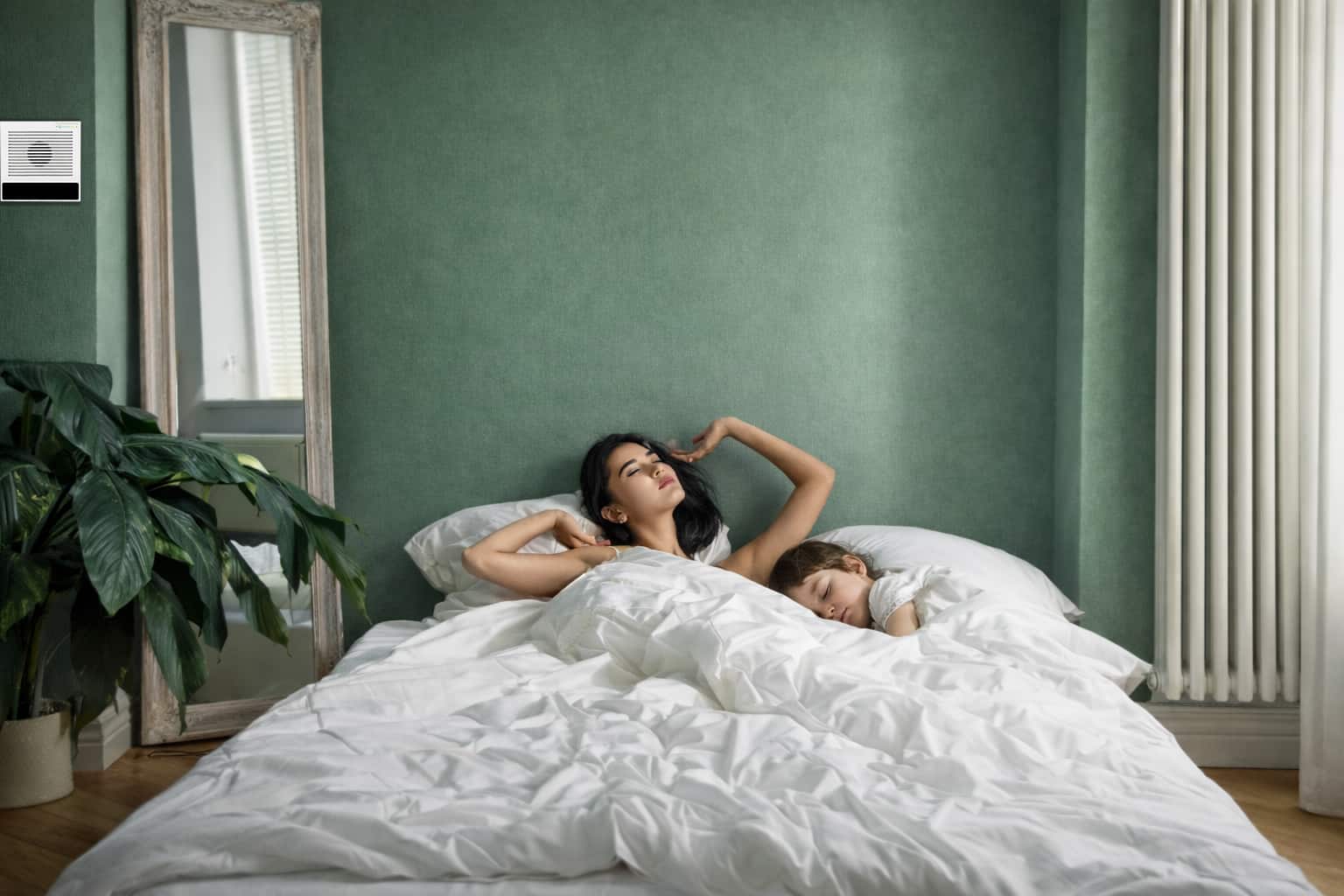
Without a designed system, occupants may notice stuffy rooms, lingering odours, and heavy condensation, particularly in bedrooms where windows are kept closed overnight. Rising carbon dioxide levels can affect sleep quality and concentration, while poor air circulation creates uncomfortable and unhealthy living conditions. Sustainable ventilation replaces guesswork with predictability. Air supply and extract are balanced, airflow rates are appropriate for each room, and performance does not depend on weather conditions or occupant habits. This shift from chance ventilation to engineered airflow is essential in airtight UK homes.
Energy Efficiency Without Compromising Comfort
A common concern among homeowners is that ventilation inevitably leads to heat loss. Traditional approaches, such as opening windows or using powerful extractor fans, do exactly that: they expel warm indoor air and draw in cold external air, increasing heating demand and reducing comfort. In highly insulated homes, this undermines the very efficiency improvements the building was designed to achieve.
Sustainable ventilation systems are specifically developed to avoid this problem. By recovering heat from extracted air and transferring it to incoming fresh air, they allow homes to remain well ventilated without sacrificing thermal performance. This approach aligns ventilation with energy efficiency rather than placing the two in conflict.
Key advantages of a properly integrated sustainable ventilation strategy include:
- Continuous removal of moisture and indoor pollutants
- Stable indoor temperatures with minimal ventilation heat loss
- Improved comfort without draughts or reliance on open windows
- Reduced risk of mould, rot, and long-term fabric damage
Sustainable Ventilation as a Core Part of Future UK Homes
As UK building regulations continue to evolve, ventilation is increasingly recognised as a critical component of building performance. Airtightness alone does not create a high-quality home; it must be paired with a ventilation strategy that supports indoor air quality and occupant wellbeing. This applies equally to new developments and retrofit projects, where improving insulation without addressing ventilation can introduce serious long-term problems.
Sustainable ventilation bridges the gap between energy efficiency and liveability. It allows airtight homes to perform as intended, delivering low energy consumption alongside healthy indoor conditions. Rather than being an optional upgrade, it is a fundamental requirement for future-proof housing in the UK, ensuring that the drive toward efficiency does not come at the expense of comfort or health.